Renovate the Public Hearing Initiative x Chinatown
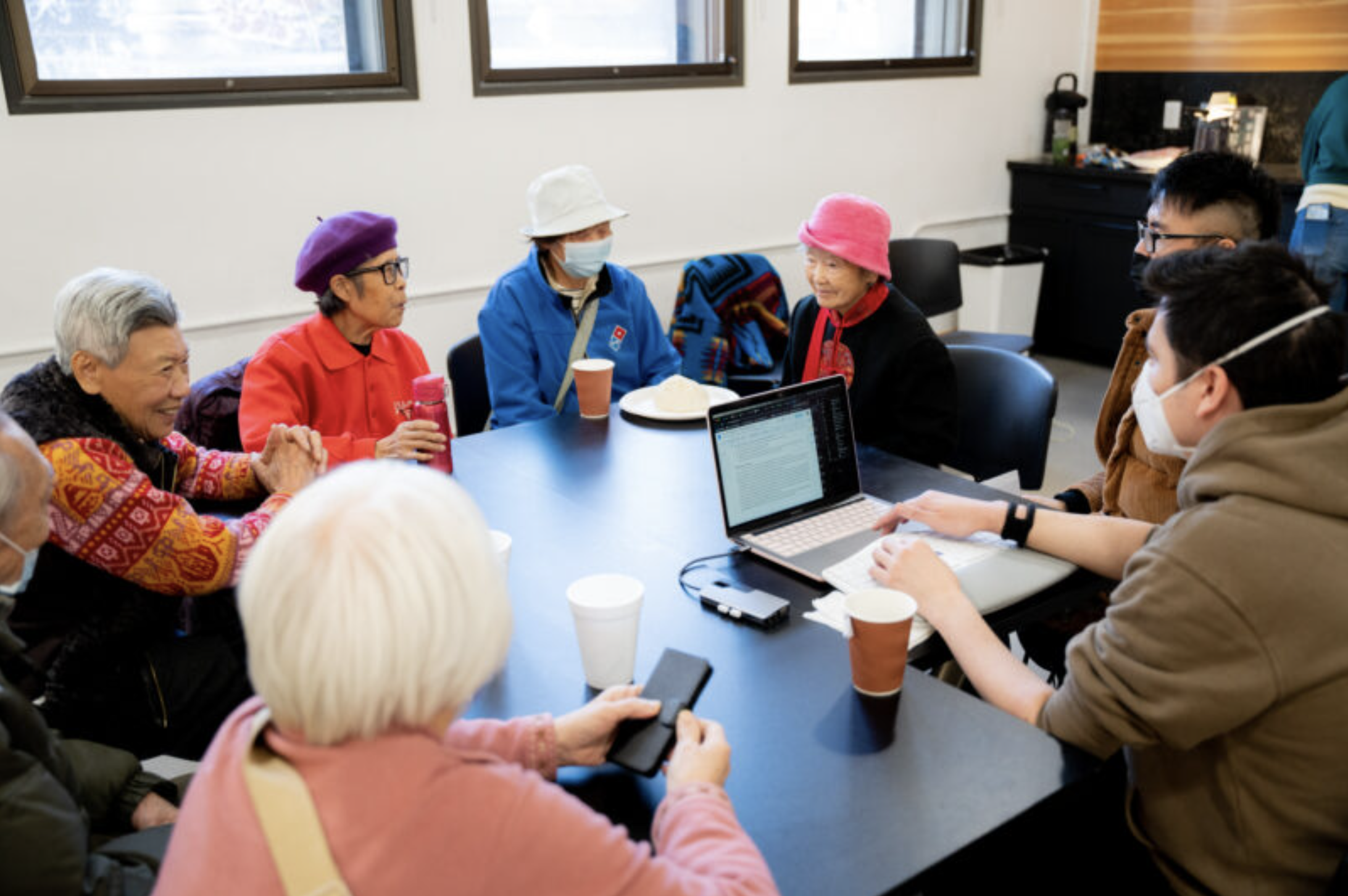
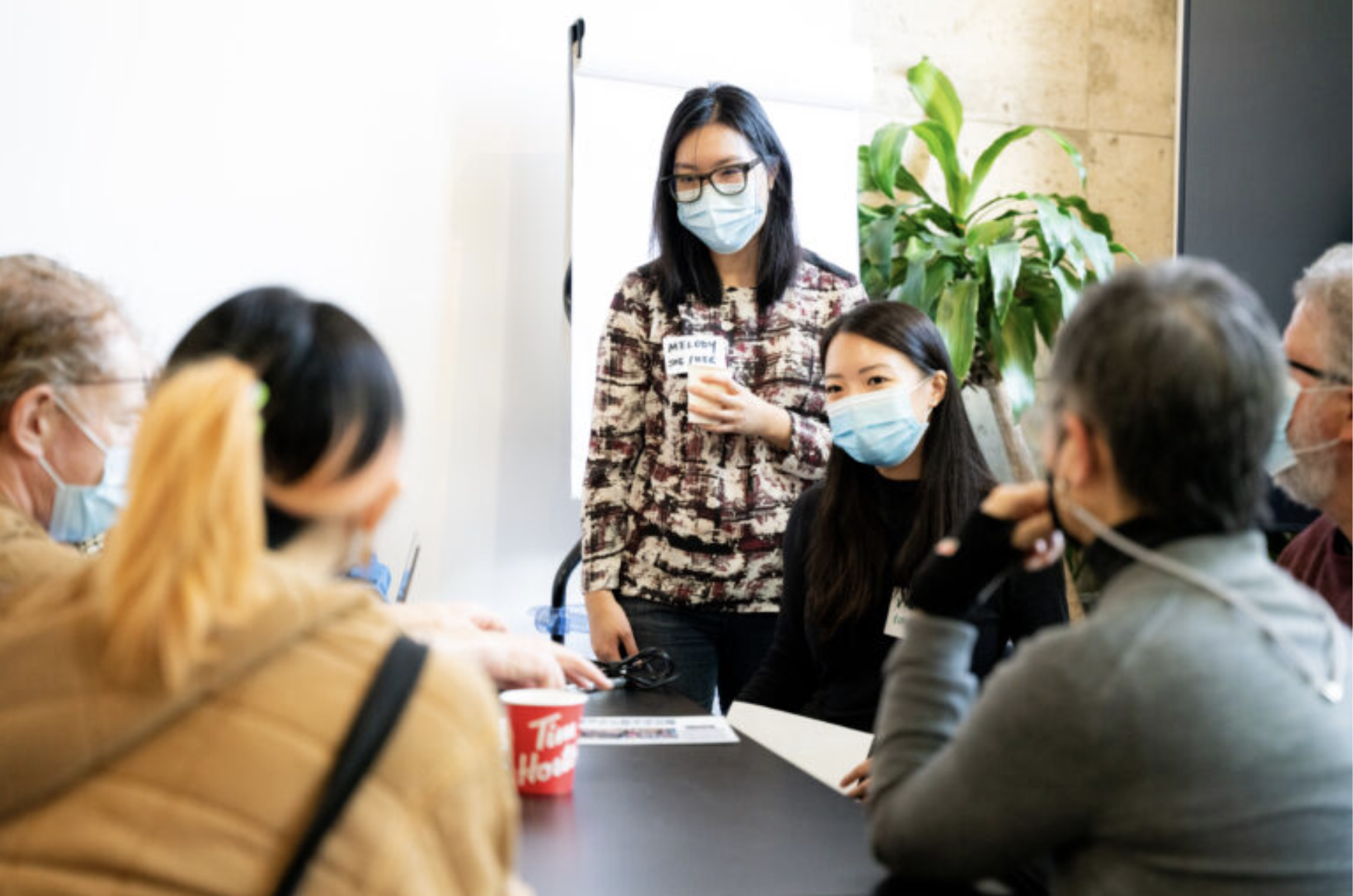
In the Autumn of 2023, hua foundation, Chinatown Today, and other community organizers held workshops and targeted interviews to listen, discuss, and learn about Chinese diasporic community experiences at public hearings.
These events contributed to the Renovate the Public Hearing Initiative, a project led by SFU Centre for Dialogue and the BC Law Institute in an effort to make civic public hearings more equitable and democratic.
As a historically underserved group, we participated in this project because we believe that cataloging the experiences of community members at public hearings—including lessons learned from events like 105 Keefer—allow the community, decision makers, and those holding them accountable to reflect upon decades of people organizing for equity for their communities in policy and civic processes.
Using data collected from the 50 participants who attended the in-person workshops (held in English, Cantonese, and Mandarin) and key informant interviews, a report titled “What We Heard: Voices Of The Chinatown Community In Public Hearings & Engagement” was published.
Key themes emerged from this report, as outlined in its Executive Summary:
“…participants expressed feelings of anxiety and noted significant time commitments associated with participating in public hearings. They highlighted the formal setting as overwhelming and detailed the extensive preparation required for effective engagement. Additionally, participants showcased diverse engagement efforts, ranging from written correspondence to in-person attendance, emphasizing a desire for localized public hearings and community support.”
Upon participating in the Renovate the Public Hearing Initiative, we have reflected upon these themes and echo additional sentiments heard from community members. Public hearings occur at the end of the planning process, after many of the key decisions for the proposal have already been made. Without more robust avenues for community members to weigh in on these decisions throughout the planning process, public hearings force communities to organize in opposition of one another in “for” or “against” sides of the aisle. We heard strong sentiments from our community about the need to be genuinely consulted and heard on decisions affecting our neighbourhoods—and if public hearings offer communities that space, we need them, until other forms of engagement offer our communities that.